How do you clean decking without damaging the wood?
Start by treating algae, mildew and black spots with a suitable decking cleaner or remover, allow it time to work, then agitate and rinse rather than relying on aggressive pressure washing alone.
Your Decking Survived Winter. But Here Comes the Hard Part!
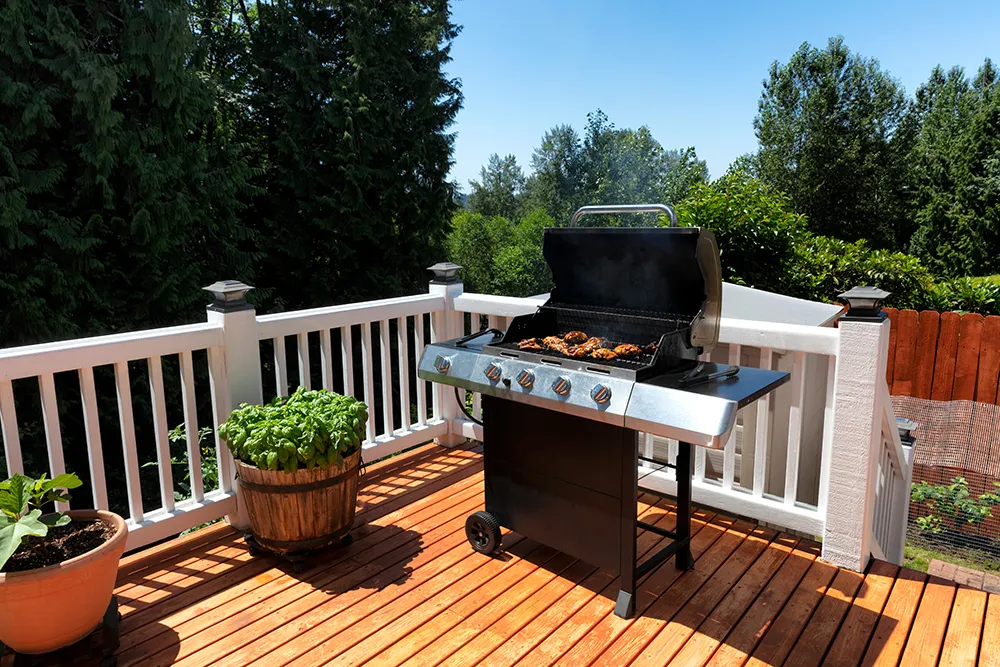
School’s out, the barbecue’s back, and the garden is suddenly in daily use. Which means the decking that’s been easy to ignore since October is now very much everyone’s problem.
The green that builds up over the colder months is almost always algae or mildew; both thrive in the damp, low-light conditions a wet winter provides. Black spots are typically mould or black algae, which embed deeper into the wood grain and are harder to shift. Neither is purely a cosmetic issue. Algae retain moisture against the wood surface, and over time that leads to swelling, warping, and in persistent cases, the early stages of rot. Catching it now, before another winter sets in, is the right window.
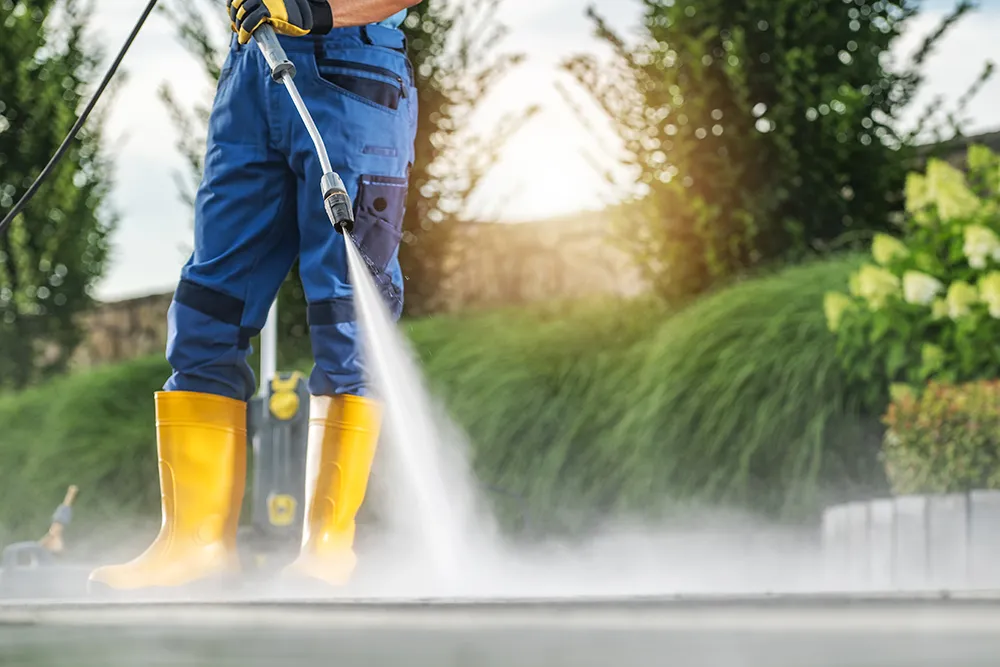
One thing worth knowing: a pressure washer isn’t always the best starting point. On timber decking it can raise the grain and push moisture deeper, particularly on older or softer wood. A product that breaks down organic growth at the surface first; then agitation, then rinse tends to get a significantly better result, especially on stubborn black spots that need dwell time to shift properly.
SCRUBB’s outdoor range featuring Decking Cleaner, Algae Remover, Black Spot Remover are all built for exactly this. They’re readily stocked in our retailers so you can enjoy more of your summer, faster.